



Refrigeration Equipment

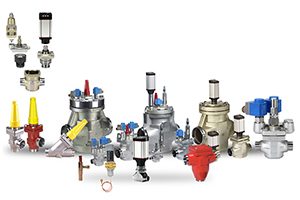
Valves and Control Devices in Ammonia and Freon Refrigeration Systems The variety of valves and control devices in refrigeration systems

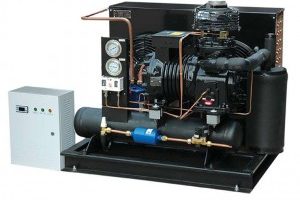
Air-Cooled Condensing Unit An air-cooled condensing unit is a compact system that includes a compressor, condenser, fan, and expansion valve.

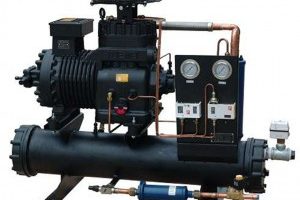
Water-Cooled Condensing Unit A water-cooled condensing unit is a crucial component in refrigeration and HVAC (Heating, Ventilation, and Air Conditioning)

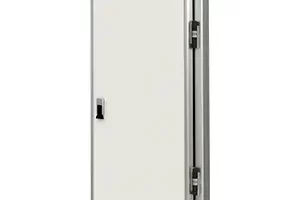
Cold Storage Door The cold storage door is a crucial element of any temperature-controlled facility, acting as the main barrier

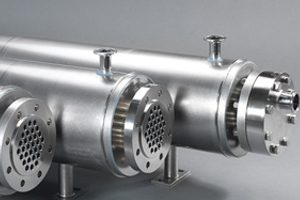
Shell and Tube Heat Exchanger: An Overview The shell and tube heat exchanger is one of the most effective tools

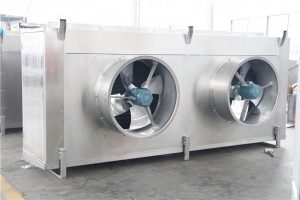
Ammonia Evaporator for Cold Storage and Blast Freezer Operating Temperature Range: +5°C to -50°C Refrigeration Capacity Range: 3.5 kW to

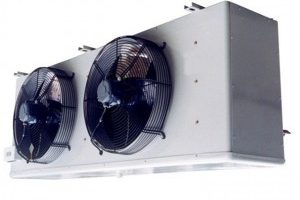
Freon Evaporator | Components, Specifications, Design, and Selection The ATE series Freon evaporator, available in a wide range from 3

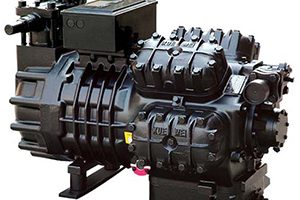
Refrigeration Compressors from Leading American, European, and Asian Brands Refrigeration compressors are essential components of cold room systems, available in

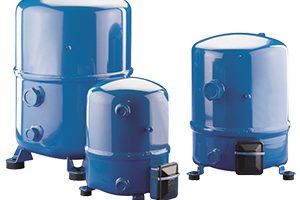
Danfoss Compressors: A Legacy of Excellence The renowned Danfoss compressors, originally pioneered by Maneurop, have been at the forefront of

What is Cold Room Insulation? Cold room insulation is a vital component that prevents energy loss in cold rooms by

Cold Room Refrigeration Equipment

Cold room refrigeration equipment is a coordinated assembly of engineered components responsible for generating, transferring, and maintaining cooling across the refrigeration circuit. Selecting and sourcing high-quality, correctly specified components is what guarantees consistent system performance, reduced energy consumption, and a long service life for your refrigeration installation.
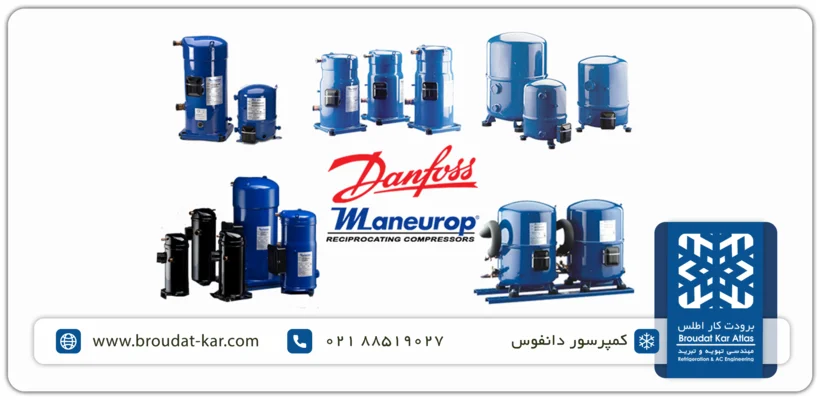
Danfoss Maneurop refrigeration compressors for industrial cooling systems

What Is Cold Room Refrigeration Equipment?

In any industrial or commercial vapour compression refrigeration system, refrigeration equipment forms an interconnected chain of mechanical, electrical, and control components. By circulating refrigerant and changing its phase, these components absorb heat from inside the cold room and the products stored within it, and transfer that heat to the external environment.

Cold room performance does not depend on any single component — it is the technical balance and precise capacity alignment between all parts of the system that determines overall efficiency. Using substandard cold room equipment, or failing to calculate component capacities accurately, places excessive load on the compressor, causes temperature instability, leads to product spoilage, and ultimately drives up repair and maintenance costs significantly. Understanding what each component does is therefore the essential first step in building or upgrading a standard industrial refrigeration system.

The Five Core Components of Cold Room Refrigeration Equipment

A refrigeration system consists of several components, each with a defined role in the cooling cycle. Below is an overview of the five main sections of cold room refrigeration equipment:

Cold Room Compressor — The Heart of the Refrigeration Cycle

The compressor is the driving force of the system. It draws low-pressure refrigerant gas from the evaporator and compresses it, raising its pressure and temperature for entry into the condenser. Compressor selection is based on cooling capacity and operating temperature. In commercial and medium-scale projects, freon compressors — including hermetic, semi-hermetic reciprocating, scroll, and in some cases screw types — are widely used.
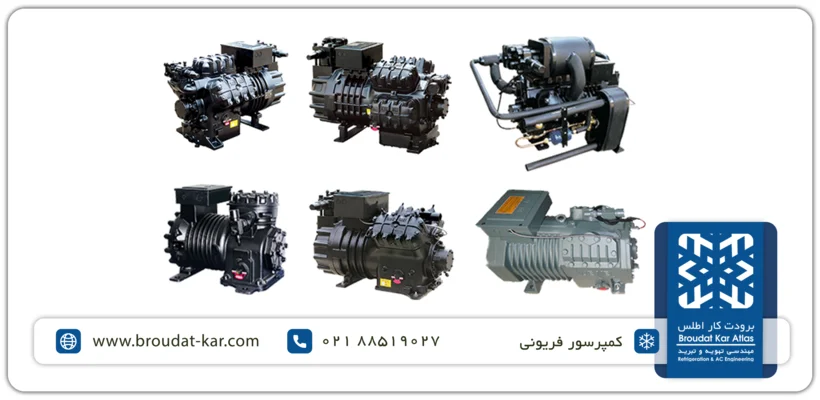
Industrial freon compressor lineup with various models for refrigeration

Cold Room Condenser— Heat Rejection Heat Exchanger

The hot compressed refrigerant gas leaving the compressor enters the condenser, where heat is rejected to the external environment, causing the refrigerant to condense into liquid. Freon and ammonia condensers are manufactured in air-cooled (fan) and water-cooled (shell-and-tube or evaporative) configurations. Correct selection of coil material and fan capacity prevents high discharge pressure and loss of system efficiency.
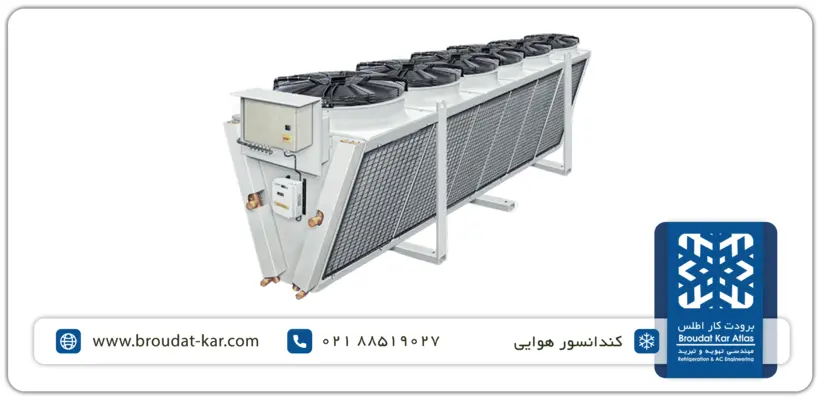
Industrial air-cooled condenser with cooling fans and control panel

Cold Room Evaporator — Cooling Absorption Heat Exchanger

The evaporator receives liquid refrigerant and evaporates it inside the coil, absorbing heat from the storage environment and the products within. Evaporator fans create continuous airflow across the coil surface, transferring heat from the cold room space to the refrigerant and reducing room temperature. The freon or ammonia evaporator design must be matched precisely to the product type and storage temperature. A correctly specified evaporator with appropriate fin spacing and an adequate defrost system prevents rapid frost build-up and airway blockage.
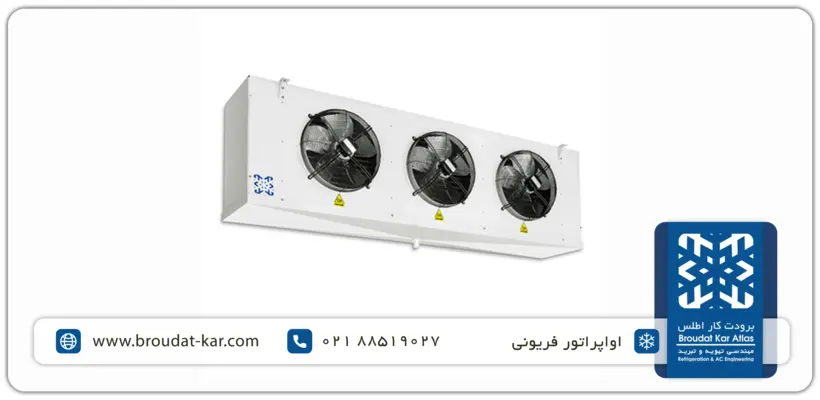
Industrial freon evaporator with 3 cooling fans for cold rooms and refrigeration systems

Valves, Control Equipment, and Electrical Panel

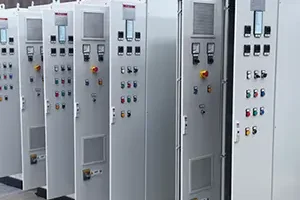
Precise control of refrigerant flow, system pressure, and temperature is handled by the valves and control components. Elements such as the expansion valve, solenoid valve, pressure switches, and thermostat ensure circuit stability. Alongside these, the cold room electrical panel — as the system’s control centre — manages compressor operation, fan scheduling, and the defrost cycle with full safety compliance.
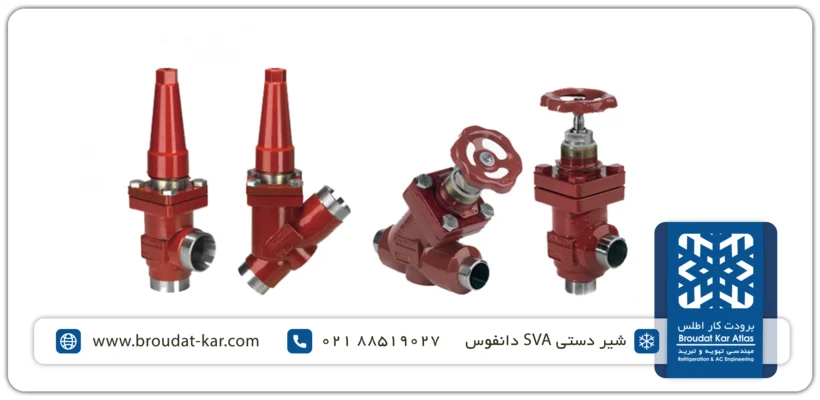
Danfoss SVA manual shut-off and regulating valves for industrial refrigeration

Refrigerant Gas and Compressor Oil

A refrigeration system cannot function without refrigerant fluid and lubricating oil. Refrigerant gases — such as R22, R134a, R404A, or ammonia (R717) — act as the heat carrier throughout the system. Using compressor oil matched to the refrigerant type not only lubricates the compressor’s moving parts but also assists internal cooling and sealing, preventing premature equipment wear.
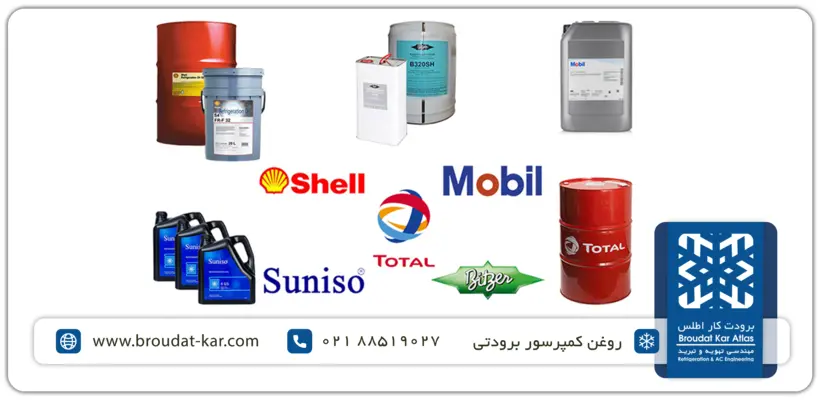
Various refrigeration compressor oils from Shell, Mobil, Total, Suniso, and Bitzer

How to Select the Right Cold Room Refrigeration Equipment

Correct equipment selection requires precise engineering calculations based on the room’s cooling load, the climatic conditions of the site, and the product being stored. A mismatch in component capacities causes a severe drop in efficiency, premature wear of cold room components, and increased electricity consumption. The following parameters must be assessed to achieve optimal performance:

  • Total cooling capacity and project scale: Determines system structure and compressor type (scroll, reciprocating, or screw) — from small commercial units through to large multi-thousand-tonne complexes.
  • Number of temperature zones: Whether the facility is single-temperature or has simultaneous operating lines (above-zero, sub-zero, and blast freezing combined) — which may require multi-stage circuits or independent units per temperature zone depending on capacity.
  • Refrigerant selection and coil material: Freon or ammonia determined by environmental compliance requirements, refrigerant charge volume, and facility dimensions.
  • Efficiency and capacity control: Selection of stepped or continuous capacity control systems to reduce running costs at part load.

The table below shows key variables in selecting the main refrigeration equipment components, based on project scale and temperature requirements:

Key Engineering Note

Condenser Type

Refrigerant

Compressor Type

Temperature Range /
Application

Project Scale & Capacity

Simple
circuit; fast installation; easy maintenance

Air-cooled

Freon

Hermetic
or semi-hermetic reciprocating or scroll

Above-zero
or sub-zero

Small /
commercial (up to 100 tonnes)

Stepped
or continuous capacity control to reduce energy costs

Air-cooled
(freon) / water-cooled (ammonia)

Freon
or ammonia

Multi-stage
reciprocating or screw

Above-zero
and sub-zero with variable load

Small
to medium (100–1,000 tonnes)

High
efficiency and long service life under continuous load with continuous
capacity control

Evaporative
water-cooled

Ammonia

Open-type
screw

Above-zero,
sub-zero, or multi-temperature

Large
industrial complexes (1,000+ tonnes)

Evaporators
with minimum 12 mm fin spacing

Evaporative
water-cooled

Ammonia

Two-stage
screw or booster; or multi-stage reciprocating

Sub-zero
(-30°C to -40°C)

Freezing
/ IQF blast tunnel systems

Leading Brands in Cold Room Refrigeration Equipment

Sourcing components from recognised international brands, combined with sound engineering design, guarantees high efficiency and reliable long-term refrigeration system performance. The following brands hold the largest market share and reputation in industrial and commercial refrigeration projects:
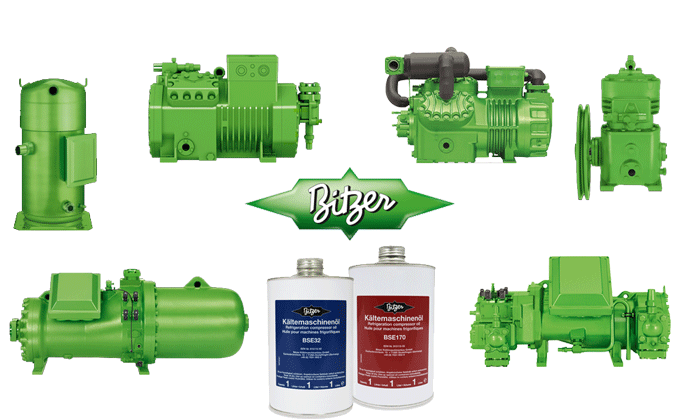
  • Bitzer: Global leader in the manufacture of reciprocating and screw compressors with outstanding energy efficiency. See the Bitzer Compressor section for model details.

  • Danfoss: One of the oldest and most respected brands in the refrigeration industry, producing a comprehensive range of valves, control components, and compressors.
  • Refcomp: An active manufacturer of semi-hermetic and open-type screw and reciprocating compressors at competitive pricing for commercial and industrial applications.
  • GEA Grasso: Among the most prominent manufacturers of industrial refrigeration equipment — particularly open-type screw and reciprocating compressors for ammonia systems.
  • Sabroe (Johnson Controls): A leading Danish-origin brand, now part of Johnson Controls, specialising in ammonia and industrial compressor and chiller design.

Cold Room Refrigeration Equipment Pricing

Cold room refrigeration equipment does not carry a fixed or default price — procurement costs are directly determined by engineering calculations, project scale, and the quality of components selected. The key factors that influence the cost of sourcing cold room components are:

  • Project capacity and scale: A higher cooling load requires larger compressors, condensers, and evaporators — or multi-compressor systems — which changes the initial capital investment.
  • Brand and country of manufacture: Leading international brands — Bitzer, Danfoss, GEA, and Sabroe — carry a different price point to generic alternatives due to higher efficiency, longer service life, and build technology.
  • Refrigerant type and circuit structure: Ammonia systems require steel/stainless steel alloys, safety-rated design, and higher operating pressures — resulting in a different cost structure compared to freon systems.
  • Control equipment and automation: Advanced electrical panels with inverter drives, smart controllers, and electronic valves increase initial costs but can significantly reduce ongoing electricity expenditure.
  • Exchange rate fluctuations: As the majority of cold room components are imported, currency movements have a direct impact on final equipment pricing.

Why Source Refrigeration Equipment from Atlas Refrigeration?

Selecting and purchasing cold room refrigeration equipment is not simply a matter of buying individual parts — it requires precise engineering calculations and full capacity alignment across every component in the refrigeration cycle. Atlas Refrigeration Co., drawing on decades of experience and specialist engineering expertise, provides the following services as a trusted source of industrial refrigeration equipment:

  • Genuine product guarantee: Supply of authentic components from leading international brands (Bitzer, Danfoss, GEA, Sabroe, and others) with full technical documentation.
  • Engineering design and calculations: Accurate selection of compressor, condenser, and valve capacities based on climatic conditions and cooling load type — to minimise energy consumption.
  • Comprehensive component supply: Full access to all cold room equipment — from compressors and heat exchangers to control components and electrical panels.
  • Specialist consultation and support: End-to-end support from design and component selection through to installation, commissioning, and after-sales service.

Need technical advice or a price quote for cold room equipment?

Contact Atlas Refrigeration’s engineering team now for a free consultation, cooling capacity calculations, and pricing on all component types.

Bitzer and Danfoss are the leading choices for small-to-medium cold rooms, while GEA and Sabroe are the preferred options for medium-to-large industrial facilities — due to their high efficiency, long service life, and widely available spare parts.
With correct capacity selection, sound pipework installation, and regular servicing (including timely compressor oil and filter changes), the service life of main components is 10–20 years for commercial equipment and over 25 years for industrial equipment.
Typically: a freon condensing unit (reciprocating or scroll compressor with air-cooled condenser), a freon evaporator, a thermostatic expansion valve, a single-phase or three-phase electrical panel, and basic control components.